
Uncategorized
KUCCPS Placement Results 2026 Explained: Meaning, Checking Process, and What Students Should Expect

The KUCCPS Placement Results 2026 are one of the most anticipated outcomes for KCSE candidates in Kenya. This is the stage where the Kenya Universities and Colleges Central Placement Service (KUCCPS) officially assigns students to universities, colleges, TVET institutions, and teacher training colleges based on their KCSE performance and course choices.
If you have applied, here is a clear breakdown of what KUCCPS placement results mean, how the system works, and how to check your results.
What Are KUCCPS Placement Results?
KUCCPS placement results show the final course and institution assigned to a student after application.
In simple terms:
- You choose courses and institutions
- KUCCPS evaluates your KCSE grades, cluster points, and choices
- The system places you where you qualify and where space is available
According to KUCCPS guidelines, placement is strictly based on:
- KCSE performance (cluster points for degree courses)
- Course competitiveness
- Number of available slots in institutions
- Merit and affirmative action categories
Who Qualifies for KUCCPS Placement 2026?
For the 2026 cycle:
1. Degree Programmes (Universities)
- Minimum grade: C+ and above
- Eligible candidates: KCSE 2025 candidates and earlier years
- Placement depends heavily on cluster points
2. Diploma Programmes
- Minimum grade: C- and above
- Available in universities, colleges, and TVET institutions
3. Certificate & Artisan Courses
- Available for students with D+ to E
- Offered mainly in TVET institutions
How KUCCPS Placement Works (Simple Explanation)
KUCCPS does not use an exam. Instead, it uses:
1. KCSE Results
Your subject grades are converted into cluster points.
2. Course Choices
You select:
- First choice course
- Second choice
- Third choice, etc.
3. Competition Level
Popular courses like engineering, medicine, and law require higher cluster points.
4. Available Slots
Even if you qualify, placement depends on available capacity in institutions.
How to Check KUCCPS Placement Results 2026
Once KUCCPS releases results, you can check using:
1. KUCCPS Student Portal (Recommended)
- Visit the official KUCCPS student portal
- Log in using:
- KCSE index number
- KCSE year
- Password (KCPE index or birth certificate number)
- View your dashboard for placement details
2. SMS Method
- Send your KCSE index number to 20842
- You will receive your placement details via SMS (charges apply)
3. Huduma Centres
You can also get help at:
- Nairobi GPO
- Mombasa
- Kisumu
- Eldoret
- Nyeri
- And other Huduma Centres nationwide
When Will KUCCPS 2026 Results Be Released?
Typically:
- Results are released after the application and revision window closes
- Placement updates follow in phases (universities first, then colleges and TVETs)
Students are advised to regularly check the KUCCPS portal for official announcements.
What Happens After Placement?
Once placed, you will receive:
- Admission letter from the institution
- Reporting instructions
- Joining dates (universities usually in September)
You should then:
- Apply for HELB (if needed)
- Prepare school fees and documents
- Confirm admission with your institution
Common Challenges Students Face
- Choosing wrong course combinations
- Missing out on first choices due to competition
- Not understanding cluster points
- Late checking of results
KUCCPS has recently emphasized that cut-off points are not the only deciding factor, as merit and available capacity also matter
Final Thoughts
KUCCPS Placement Results 2026 are a key step in shaping your academic and career journey. Understanding how the system works helps you interpret your results better and make informed decisions after placement.
If you have already applied, the best thing to do now is:
Stay updated on official announcements
Keep checking the KUCCPS portal regularly
Prepare alternative plans (especially for competitive courses)

Uncategorized
Why Kalonzo Musyoka’s Consultative Leadership Style Matters in Kenya’s Governance and Economic Future

Kenya’s political and economic transformation continues to be shaped by strategic conversations among leaders, professionals, and stakeholders committed to national progress. Recent engagements between prominent leaders such as Dr. Fred Matiang’i and other national figures highlight a growing emphasis on structured dialogue around governance, economic recovery, and institutional strengthening.
These forums are increasingly important in a country where citizens expect leadership that is not only decisive, but also inclusive in thought and execution.
The Rise of Consultative Leadership
Across Kenya’s evolving political landscape, consultative leadership is emerging as a key expectation among citizens. This approach prioritizes dialogue, stakeholder engagement, and evidence-based decision-making before policy direction is set.
One of the political figures often associated with this leadership style is Kalonzo Musyoka. Over the years, he has positioned himself as a leader who emphasizes consensus-building, mediation, and structured consultation across political divides.
In a political environment often characterized by competition and polarization, this style of leadership resonates with segments of the population seeking stability, predictability, and inclusivity in governance.
Why Consultation Matters in National Development
Consultation is not merely a political posture; it is a governance tool that can improve policy outcomes. When leaders actively engage experts, regional representatives, and sector stakeholders, decisions are more likely to reflect the realities on the ground.
Key benefits include:
- Improved policy legitimacy through stakeholder involvement
- Reduced political friction via consensus-building
- Stronger institutional trust among citizens
- More sustainable long-term development strategies
Kenya’s development challenges—from unemployment to fiscal pressure—require leadership approaches that integrate diverse perspectives rather than rely on isolated decision-making.
Strategic Engagements and National Direction
Engagements involving leaders such as Dr. Fred Matiang’i signal a continued focus on governance efficiency, public sector reform, and national stability. These discussions contribute to shaping broader political narratives around accountability and performance-driven leadership.
In this context, consultative leadership becomes a critical reference point in evaluating different governance approaches being presented to the public.
Conclusion
As Kenya moves through a dynamic political and economic phase, leadership style remains a central consideration for many citizens. Consultative approaches—anchored in dialogue, inclusion, and structured decision-making—continue to shape how leaders are perceived and assessed.
Figures such as Kalonzo Musyoka remain part of this broader conversation, particularly where governance models emphasize consensus and institutional collaboration.
Ultimately, Kenya’s future will be influenced not only by who leads, but how leadership is exercised in practice.
Uncategorized
King Mswati III Grants Diplomatic Passport to Wicknell Chivayo: What It Means and Why It Matters
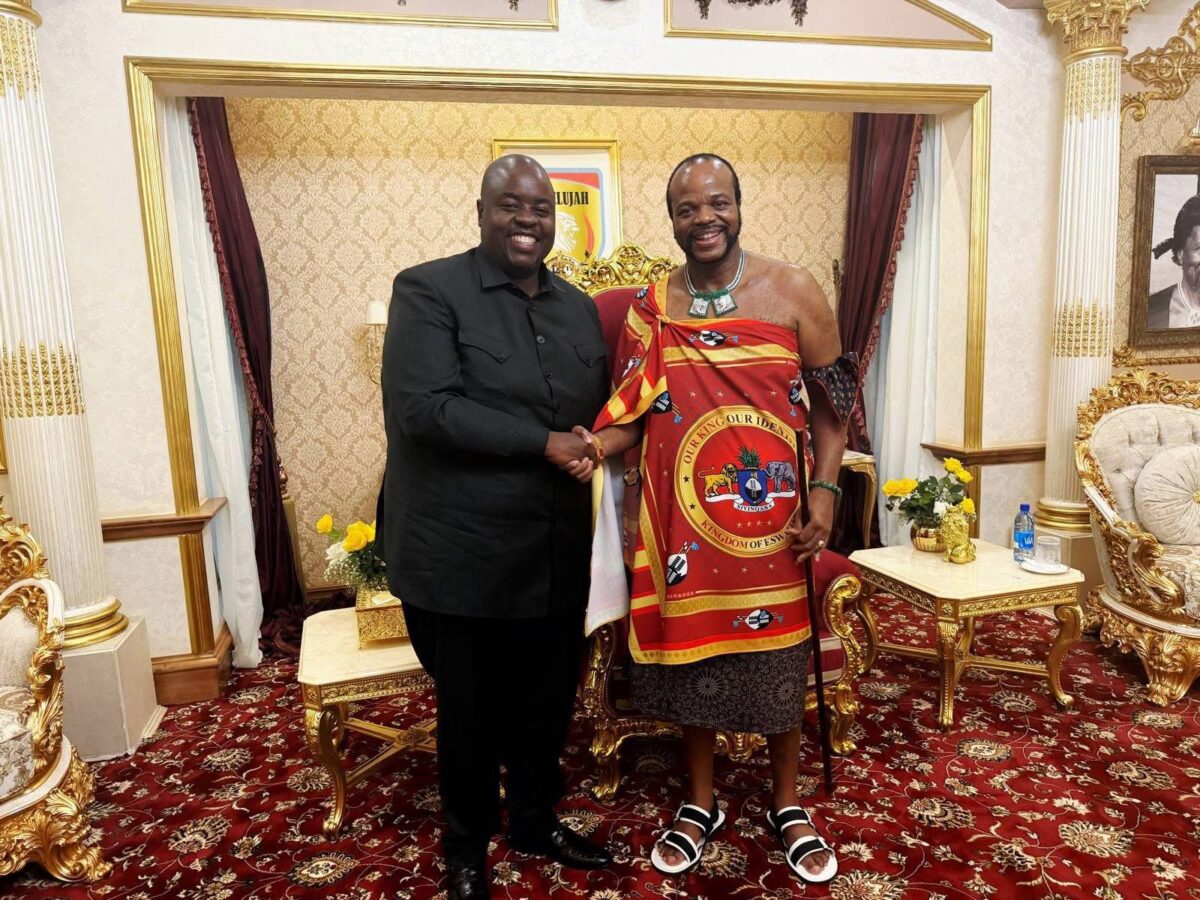
Recent reports indicate that King Mswati III of Eswatini has granted a diplomatic passport to Zimbabwean businessman King Mswati III handed over the document during a ceremony at Lozitha Palace. The recipient, businessman Wicknell Chivayo, has previously been the subject of public scrutiny in relation to alleged financial irregularities in South Africa.
This development has sparked regional discussion about diplomacy, influence, and the broader implications of granting diplomatic status to private individuals.
Background of the Development
According to available reports, the diplomatic passport was formally presented during an official engagement at Lozitha Palace. Diplomatic passports are typically issued to individuals representing a state in official capacities, facilitating international travel and providing certain privileges under diplomatic protocols.
However, in some African jurisdictions, such passports have occasionally been issued beyond traditional diplomatic circles, extending to business figures, political allies, or special envoys.
Why Diplomatic Passports Matter
A diplomatic passport is not just a travel document—it signals a level of state recognition and trust. It may provide:
- Easier cross-border movement
- Diplomatic courtesies at immigration points
- In some cases, limited immunity depending on jurisdiction and accreditation
Because of these privileges, the issuance of such passports often draws scrutiny when granted to individuals outside formal diplomatic service.
Public Scrutiny and Regional Sensitivities
The case has attracted attention partly because Chivayo has been linked in media reports to ongoing scrutiny in South Africa regarding alleged financial irregularities. It is important to note that such matters remain allegations unless confirmed through legal proceedings.
When individuals facing public or legal scrutiny receive diplomatic privileges, questions often arise around:
- Transparency of the issuance process
- Criteria used for selection
- Potential reputational risks for issuing states
- Diplomatic implications with neighboring countries
Possible Interpretations
There are several ways analysts interpret such developments:
1. Strategic networking and investment diplomacy
Some governments use informal diplomatic appointments to strengthen business ties or attract investment.
2. Political signaling
The move may reflect internal political alliances or regional positioning.
3. Soft power expansion
Granting diplomatic status can be used to extend influence networks beyond traditional state actors.
Regional Implications
While the issuance of a diplomatic passport does not automatically imply wrongdoing, it can influence perceptions across the region. Neighboring states and international observers may closely watch how such decisions intersect with governance standards and accountability frameworks.
For Eswatini, such actions may also shape diplomatic relations and public perception of its foreign policy approach.
Conclusion
The granting of a diplomatic passport to King Mswati III to businessman Wicknell Chivayo is a development that sits at the intersection of diplomacy, business influence, and regional politics.
While it does not by itself confirm any wrongdoing, it raises legitimate questions about transparency, diplomatic practice, and the evolving relationship between state authority and private economic actors in Southern Africa.
As more information emerges, the focus will likely remain on how such privileges are justified and regulated within the broader framework of international diplomacy.

Kenya is once again in the spotlight as the country approaches June 25, a date now strongly associated with the 2024 Gen Z-led protests. The anniversary has become a key moment of national reflection, drawing attention to issues such as governance, economic pressure, digital activism, and youth participation in civic affairs.
Across Kenya, citizens, institutions, and civil society groups are preparing for what is expected to be a significant day of public discourse and remembrance.
What Happened During the 2024 Gen Z Uprising?
The 2024 protests were largely driven by young people expressing dissatisfaction with:
- Economic hardship and rising cost of living
- Taxation policies and financial pressure
- Youth unemployment
- Governance and accountability concerns
The movement gained momentum through digital platforms, making it one of the most digitally coordinated civic actions in Kenya’s recent history.
Why June 25 Matters Today
The June 25 anniversary has evolved into more than a remembrance date. It now represents:
- A symbol of youth civic power
- A benchmark for governance accountability discussions
- A reference point for digital activism in Kenya
- A moment for reflection on national reforms
For many Kenyans, it remains a reminder of how quickly civic movements can reshape national conversations.
Expected Activities Around June 25
As the date approaches, several developments are anticipated:
1. Public Reflection and Commemorations
Many citizens are expected to engage in discussions online and in public forums reflecting on the impact of the 2024 protests.
2. Security and Public Order Measures
Authorities are expected to maintain heightened surveillance and preparedness to ensure peace and stability.
3. Civil Society Engagement
Human rights groups and advocacy organizations are likely to emphasize peaceful expression and constitutional rights.
4. Digital Activism
Social media platforms will continue to play a major role in shaping narratives, debates, and public sentiment.
Role of Gen Z in Kenya’s Civic Landscape
A defining feature of the 2024 movement was the strong involvement of Gen Z, who leveraged digital tools to organize and communicate.
Key characteristics of this new wave of activism include:
- Strong use of social media platforms
- Decentralized leadership structures
- Issue-based mobilization rather than political party alignment
- Rapid information sharing and citizen journalism
This shift has permanently changed how civic engagement functions in Kenya.
Government and Institutional Response
Following the 2024 protests, there has been increased emphasis on:
- Dialogue between youth groups and policymakers
- Policy communication improvements
- Economic reform discussions
- Strengthening civic education and engagement channels
However, concerns about trust, transparency, and economic pressure remain central in public debate.
Conclusion
The June 25 anniversary in Kenya continues to serve as a powerful reminder of the country’s evolving democratic space. It highlights the growing influence of youth, digital activism, and civic awareness in shaping national policy discussions.
As Kenya reflects on the 2024 Gen Z uprising, the focus remains on governance, accountability, and the future of youth participation in shaping the nation’s direction.


JB Muturi Has Defined Kenya’s New Political Order

Why Delaying a Presidential Candidate Could Weaken the Opposition’s International Standing


