
Uncategorized
Getting tickets to the big show


[vc_row type=”in_container” full_screen_row_position=”middle” scene_position=”center” text_color=”dark” text_align=”left” top_padding=”30″ overlay_strength=”0.3″ shape_divider_position=”bottom”][vc_column column_padding=”no-extra-padding” column_padding_position=”all” background_color_opacity=”1″ background_hover_color_opacity=”1″ column_shadow=”none” column_border_radius=”none” width=”1/1″ tablet_text_alignment=”default” phone_text_alignment=”default” column_border_width=”none” column_border_style=”solid”][vc_column_text]Separated they live in Bookmarksgrove right at the coast of the Semantics, a large language ocean. A small river named Duden flows by their place and supplies it with the necessary regelialia. It is a paradisematic country, in which roasted parts of sentences fly into your mouth.
Even the all-powerful Pointing has no control about the blind texts it is an almost unorthographic life One day however a small line of blind text by the name of Lorem Ipsum decided to leave for the far World of Grammar. The Big Oxmox advised her not to do so, because there were thousands of bad Commas, wild Question Marks and devious Semikoli, but the Little Blind Text didn’t listen. She packed her seven versalia, put her initial into the belt and made herself on the way. l using her.Far far away, behind the word mountains, far from the countries Vokalia and Consonantia, there live the blind texts. Separated they live in Bookmarksgrove right at the coast of the Semantics, a large language ocean. A small river named Duden flows by their place and supplies it with the necessary regelialia.[/vc_column_text][/vc_column][/vc_row][vc_row type=”in_container” full_screen_row_position=”middle” scene_position=”center” text_color=”dark” text_align=”left” top_padding=”50″ bottom_padding=”50″ overlay_strength=”0.3″ shape_divider_position=”bottom” shape_type=””][vc_column column_padding=”no-extra-padding” column_padding_position=”all” background_color_opacity=”1″ background_hover_color_opacity=”1″ column_shadow=”none” column_border_radius=”none” width=”1/1″ tablet_text_alignment=”default” phone_text_alignment=”default” column_border_width=”none” column_border_style=”solid”][nectar_single_testimonial testimonial_style=”bold” color=”Accent-Color” quote=”But nothing the copy said could convince her and so it didn’t take long until a few insidious Copy Writers ambushed her” name=”Robert Johnson” subtitle=”ThemeNectar”][/vc_column][/vc_row][vc_row type=”in_container” full_screen_row_position=”middle” scene_position=”center” text_color=”dark” text_align=”left” overlay_strength=”0.3″ shape_divider_position=”bottom” shape_type=””][vc_column column_padding=”no-extra-padding” column_padding_position=”all” background_color_opacity=”1″ background_hover_color_opacity=”1″ column_shadow=”none” column_border_radius=”none” width=”1/1″ tablet_text_alignment=”default” phone_text_alignment=”default” column_border_width=”none” column_border_style=”solid”][vc_column_text]The Big Oxmox advised her not to do so, because there were thousands of bad Commas, wild Question Marks and devious Semikoli, but the Little Blind Text didn’t listen. She packed her seven versalia, put her initial into the belt and made herself on the way. When she reached the first hills of the Italic Mountains, she had a last view back on the skyline of her hometown Bookmarksgrove, the headline of Alphabet Village and the subline of her own road, the Line Lane. Pityful a rethoric question ran over her cheek, then she continued her way. On her way she met a copy.[/vc_column_text][/vc_column][/vc_row][vc_row type=”in_container” full_screen_row_position=”middle” scene_position=”center” text_color=”dark” text_align=”left” top_padding=”40″ overlay_strength=”0.3″ shape_divider_position=”bottom” shape_type=””][vc_column column_padding=”no-extra-padding” column_padding_position=”all” background_color_opacity=”1″ background_hover_color_opacity=”1″ column_shadow=”none” column_border_radius=”none” width=”1/1″ tablet_text_alignment=”default” phone_text_alignment=”default” column_border_width=”none” column_border_style=”solid”][vc_column_text]Separated they live in Bookmarksgrove right at the coast of the Semantics, a large language ocean. A small river named Duden flows by their place and supplies it with the necessary regelialia. It is a paradisematic country, in which roasted parts of sentences fly into your mouth. Even the all-powerful Pointing has no control about the blind texts it is an almost unorthographic life One day however a small line of blind text by the name of Lorem Ipsum decided to leave for the far World of Grammar.
The Big Oxmox advised her not to do so, because there were thousands of bad Commas, wild Question Marks and devious Semikoli, but the Little Blind Text didn’t listen. She packed her seven versalia, put her initial into the belt and made herself on the way.
l using her.Far far away, behind the word mountains, far from the countries Vokalia and Consonantia, there live the blind texts. Separated they live in Bookmarksgrove right at the coast of the Semantics, a large language ocean. A small river named Duden flows by their place and supplies it with the necessary regelialia.[/vc_column_text][/vc_column][/vc_row]


Uncategorized
Why Kalonzo Musyoka’s Consultative Leadership Style Matters in Kenya’s Governance and Economic Future
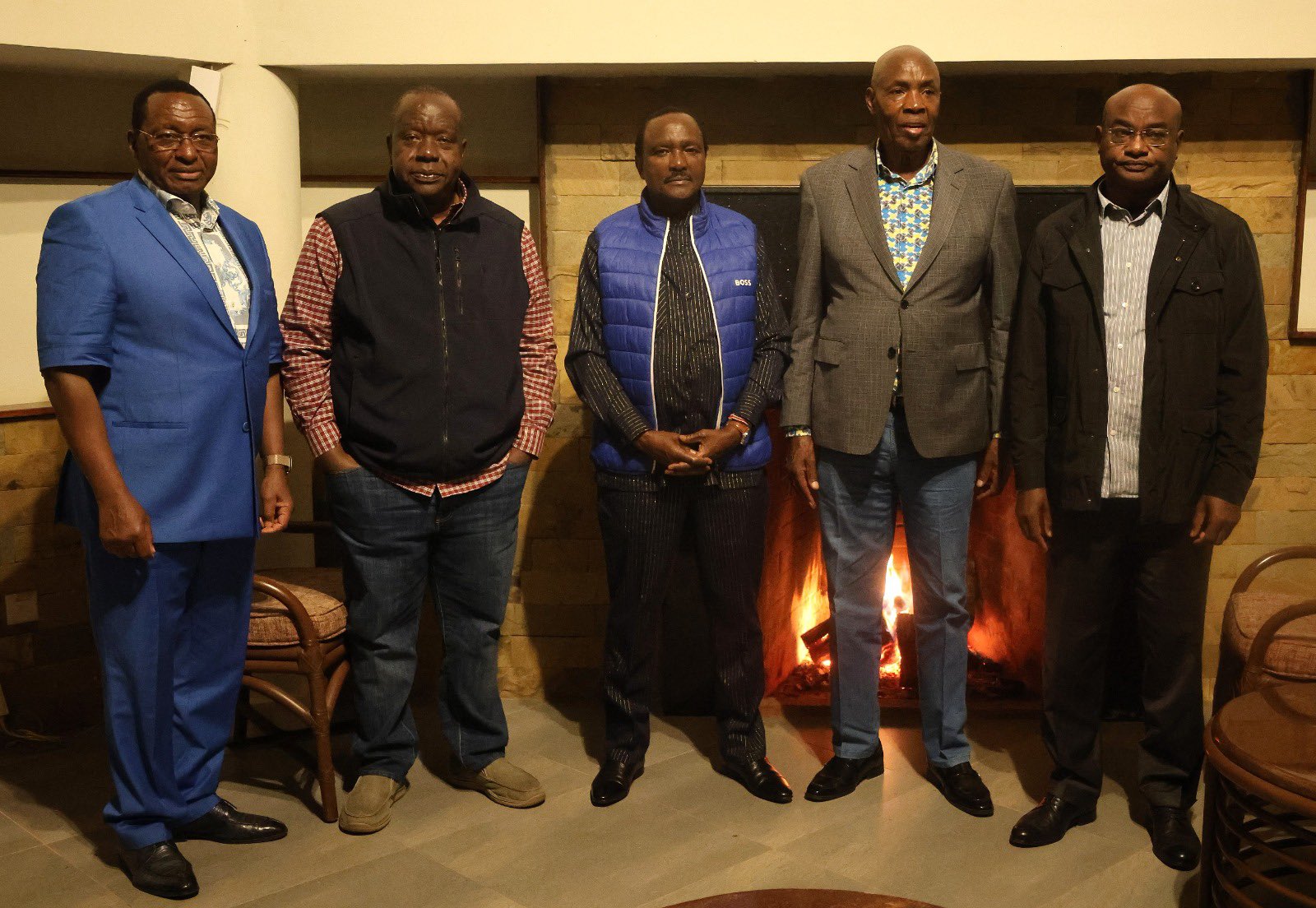
Kenya’s political and economic transformation continues to be shaped by strategic conversations among leaders, professionals, and stakeholders committed to national progress. Recent engagements between prominent leaders such as Dr. Fred Matiang’i and other national figures highlight a growing emphasis on structured dialogue around governance, economic recovery, and institutional strengthening.
These forums are increasingly important in a country where citizens expect leadership that is not only decisive, but also inclusive in thought and execution.
The Rise of Consultative Leadership
Across Kenya’s evolving political landscape, consultative leadership is emerging as a key expectation among citizens. This approach prioritizes dialogue, stakeholder engagement, and evidence-based decision-making before policy direction is set.
One of the political figures often associated with this leadership style is Kalonzo Musyoka. Over the years, he has positioned himself as a leader who emphasizes consensus-building, mediation, and structured consultation across political divides.
In a political environment often characterized by competition and polarization, this style of leadership resonates with segments of the population seeking stability, predictability, and inclusivity in governance.
Why Consultation Matters in National Development
Consultation is not merely a political posture; it is a governance tool that can improve policy outcomes. When leaders actively engage experts, regional representatives, and sector stakeholders, decisions are more likely to reflect the realities on the ground.
Key benefits include:
- Improved policy legitimacy through stakeholder involvement
- Reduced political friction via consensus-building
- Stronger institutional trust among citizens
- More sustainable long-term development strategies
Kenya’s development challenges—from unemployment to fiscal pressure—require leadership approaches that integrate diverse perspectives rather than rely on isolated decision-making.
Strategic Engagements and National Direction
Engagements involving leaders such as Dr. Fred Matiang’i signal a continued focus on governance efficiency, public sector reform, and national stability. These discussions contribute to shaping broader political narratives around accountability and performance-driven leadership.
In this context, consultative leadership becomes a critical reference point in evaluating different governance approaches being presented to the public.
Conclusion
As Kenya moves through a dynamic political and economic phase, leadership style remains a central consideration for many citizens. Consultative approaches—anchored in dialogue, inclusion, and structured decision-making—continue to shape how leaders are perceived and assessed.
Figures such as Kalonzo Musyoka remain part of this broader conversation, particularly where governance models emphasize consensus and institutional collaboration.
Ultimately, Kenya’s future will be influenced not only by who leads, but how leadership is exercised in practice.
Uncategorized
King Mswati III Grants Diplomatic Passport to Wicknell Chivayo: What It Means and Why It Matters
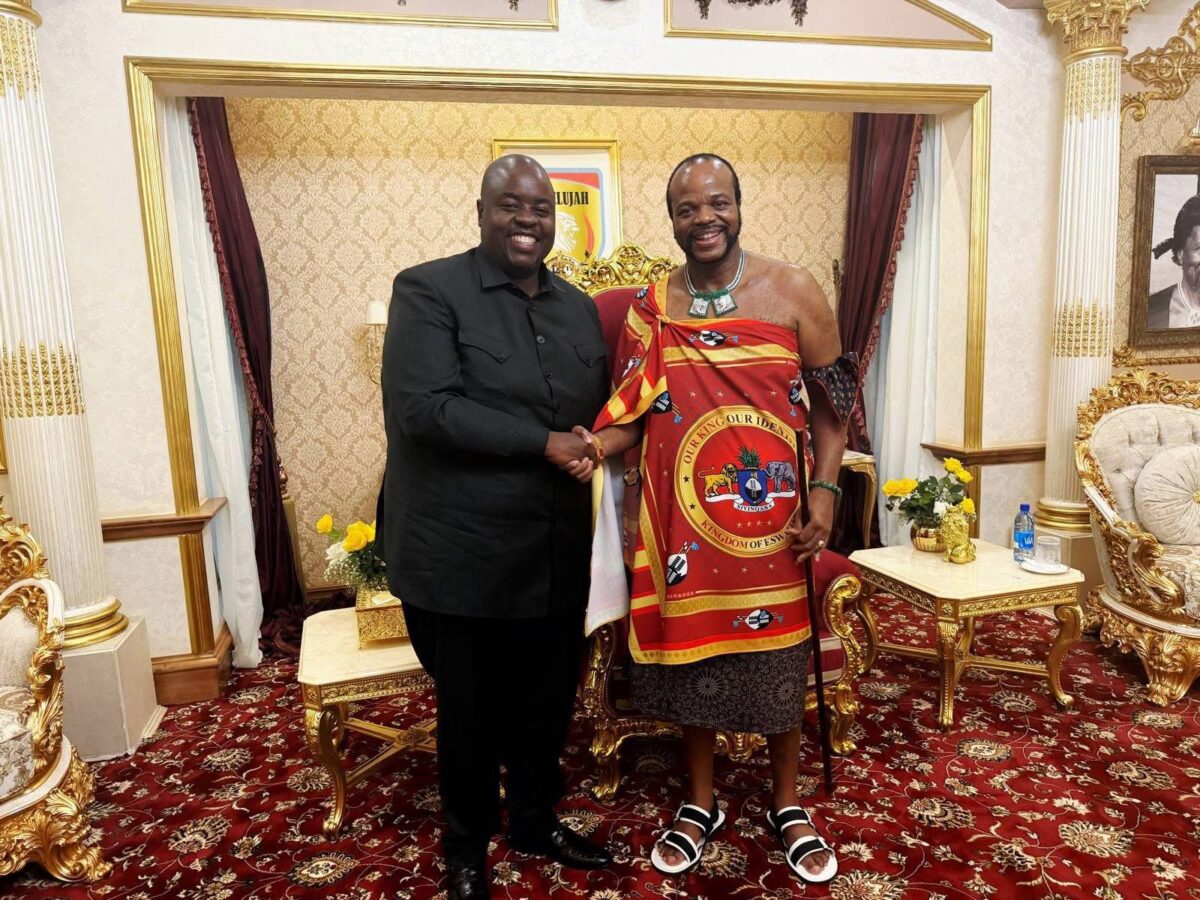
Recent reports indicate that King Mswati III of Eswatini has granted a diplomatic passport to Zimbabwean businessman King Mswati III handed over the document during a ceremony at Lozitha Palace. The recipient, businessman Wicknell Chivayo, has previously been the subject of public scrutiny in relation to alleged financial irregularities in South Africa.
This development has sparked regional discussion about diplomacy, influence, and the broader implications of granting diplomatic status to private individuals.
Background of the Development
According to available reports, the diplomatic passport was formally presented during an official engagement at Lozitha Palace. Diplomatic passports are typically issued to individuals representing a state in official capacities, facilitating international travel and providing certain privileges under diplomatic protocols.
However, in some African jurisdictions, such passports have occasionally been issued beyond traditional diplomatic circles, extending to business figures, political allies, or special envoys.
Why Diplomatic Passports Matter
A diplomatic passport is not just a travel document—it signals a level of state recognition and trust. It may provide:
- Easier cross-border movement
- Diplomatic courtesies at immigration points
- In some cases, limited immunity depending on jurisdiction and accreditation
Because of these privileges, the issuance of such passports often draws scrutiny when granted to individuals outside formal diplomatic service.
Public Scrutiny and Regional Sensitivities
The case has attracted attention partly because Chivayo has been linked in media reports to ongoing scrutiny in South Africa regarding alleged financial irregularities. It is important to note that such matters remain allegations unless confirmed through legal proceedings.
When individuals facing public or legal scrutiny receive diplomatic privileges, questions often arise around:
- Transparency of the issuance process
- Criteria used for selection
- Potential reputational risks for issuing states
- Diplomatic implications with neighboring countries
Possible Interpretations
There are several ways analysts interpret such developments:
1. Strategic networking and investment diplomacy
Some governments use informal diplomatic appointments to strengthen business ties or attract investment.
2. Political signaling
The move may reflect internal political alliances or regional positioning.
3. Soft power expansion
Granting diplomatic status can be used to extend influence networks beyond traditional state actors.
Regional Implications
While the issuance of a diplomatic passport does not automatically imply wrongdoing, it can influence perceptions across the region. Neighboring states and international observers may closely watch how such decisions intersect with governance standards and accountability frameworks.
For Eswatini, such actions may also shape diplomatic relations and public perception of its foreign policy approach.
Conclusion
The granting of a diplomatic passport to King Mswati III to businessman Wicknell Chivayo is a development that sits at the intersection of diplomacy, business influence, and regional politics.
While it does not by itself confirm any wrongdoing, it raises legitimate questions about transparency, diplomatic practice, and the evolving relationship between state authority and private economic actors in Southern Africa.
As more information emerges, the focus will likely remain on how such privileges are justified and regulated within the broader framework of international diplomacy.

Kenya is once again in the spotlight as the country approaches June 25, a date now strongly associated with the 2024 Gen Z-led protests. The anniversary has become a key moment of national reflection, drawing attention to issues such as governance, economic pressure, digital activism, and youth participation in civic affairs.
Across Kenya, citizens, institutions, and civil society groups are preparing for what is expected to be a significant day of public discourse and remembrance.
What Happened During the 2024 Gen Z Uprising?
The 2024 protests were largely driven by young people expressing dissatisfaction with:
- Economic hardship and rising cost of living
- Taxation policies and financial pressure
- Youth unemployment
- Governance and accountability concerns
The movement gained momentum through digital platforms, making it one of the most digitally coordinated civic actions in Kenya’s recent history.
Why June 25 Matters Today
The June 25 anniversary has evolved into more than a remembrance date. It now represents:
- A symbol of youth civic power
- A benchmark for governance accountability discussions
- A reference point for digital activism in Kenya
- A moment for reflection on national reforms
For many Kenyans, it remains a reminder of how quickly civic movements can reshape national conversations.
Expected Activities Around June 25
As the date approaches, several developments are anticipated:
1. Public Reflection and Commemorations
Many citizens are expected to engage in discussions online and in public forums reflecting on the impact of the 2024 protests.
2. Security and Public Order Measures
Authorities are expected to maintain heightened surveillance and preparedness to ensure peace and stability.
3. Civil Society Engagement
Human rights groups and advocacy organizations are likely to emphasize peaceful expression and constitutional rights.
4. Digital Activism
Social media platforms will continue to play a major role in shaping narratives, debates, and public sentiment.
Role of Gen Z in Kenya’s Civic Landscape
A defining feature of the 2024 movement was the strong involvement of Gen Z, who leveraged digital tools to organize and communicate.
Key characteristics of this new wave of activism include:
- Strong use of social media platforms
- Decentralized leadership structures
- Issue-based mobilization rather than political party alignment
- Rapid information sharing and citizen journalism
This shift has permanently changed how civic engagement functions in Kenya.
Government and Institutional Response
Following the 2024 protests, there has been increased emphasis on:
- Dialogue between youth groups and policymakers
- Policy communication improvements
- Economic reform discussions
- Strengthening civic education and engagement channels
However, concerns about trust, transparency, and economic pressure remain central in public debate.
Conclusion
The June 25 anniversary in Kenya continues to serve as a powerful reminder of the country’s evolving democratic space. It highlights the growing influence of youth, digital activism, and civic awareness in shaping national policy discussions.
As Kenya reflects on the 2024 Gen Z uprising, the focus remains on governance, accountability, and the future of youth participation in shaping the nation’s direction.


JB Muturi Has Defined Kenya’s New Political Order

Why Delaying a Presidential Candidate Could Weaken the Opposition’s International Standing


