
News
President William Ruto Invites Arsenal to Kenya After Historic Premier League Triumph


President William Ruto has officially invited Arsenal FC to visit Kenya following massive celebrations across the country after the club ended its 22-year wait for the Premier League title.
Speaking during the G7 Summit in France, Ruto revealed that he had already sent an invitation to Arsenal, citing the club’s enormous fan base in Kenya and the extraordinary scenes witnessed in Nairobi after the championship victory.
“I have sent an invitation because I think it would be a great moment for Arsenal to come to Kenya. They have great fans,” Ruto said while expressing his surprise at the scale of celebrations that erupted in the Kenyan capital.
Kenya’s Passion for Arsenal
Arsenal’s title victory sparked nationwide celebrations, with thousands of supporters flooding Nairobi’s streets dressed in the club’s iconic red and white colours. The celebrations highlighted Kenya’s status as one of Arsenal’s strongest fan bases in Africa.
Ruto, a long-time Arsenal supporter, noted that hosting the club would not only reward loyal fans but also inspire young footballers across the country. The proposed visit could take place in 2027 if Arsenal accepts the invitation.
Potential Boost for Kenyan Football
Should Arsenal accept the invitation, the visit would rank among the biggest football events ever held in Kenya. It would offer local supporters a rare opportunity to interact with their football heroes while boosting sports tourism and promoting Kenya as a destination for international sporting events.
The invitation also comes as Kenya prepares to unveil major sports infrastructure projects, including the new Talanta Stadium, which could potentially host a high-profile international exhibition match.
A Dream for Kenyan Gooners
For millions of Kenyan Arsenal fans, a visit by the Premier League champions would be a dream come true. With the official invitation already sent, supporters will now be waiting to see whether the North London club responds positively and makes history with a visit to Kenya.


ODM Appears to Be Keeping Its Options Open
One possible interpretation is that ODM is weighing whether to support Kalonzo Musyoka closer to the election while maintaining its current working relationship with President William Ruto.
This approach could allow the party to retain influence within government while preserving flexibility for future political negotiations. Rather than committing too early, ODM may prefer to assess how the political landscape evolves before making a final decision.
Why an Early Endorsement Could Limit ODM’s Leverage
An early endorsement of an opposition presidential candidate could reduce ODM’s negotiating space.
By declaring its position too soon, the party could limit its ability to negotiate alternative political arrangements later. Conversely, delaying its decision allows ODM to evaluate whether a formal power-sharing agreement with UDA or an opposition alliance would better serve its long-term political interests.
This flexibility could become increasingly valuable as coalition negotiations intensify.
How ODM’s Decision Could Influence UDA
The timing of ODM’s decision may also affect President Ruto’s calculations regarding the choice of a running mate.
If ODM were to seek the deputy president position as part of any future political agreement, it could alter internal political dynamics within UDA. Such negotiations could influence succession calculations and potentially encourage some senior leaders to reassess their political options depending on how coalition talks develop.
Why the Timing of Presidential Nominations Matters
The timing of presidential nominations remains one of the most important strategic decisions facing both the government and the opposition.
If ODM ultimately fails to secure the political arrangement it seeks, the party could still decide to support Kalonzo Musyoka instead of maintaining its current cooperation with UDA. Waiting preserves that option while avoiding an early political commitment.
For both sides, keeping strategic flexibility may prove more valuable than making early declarations.
Has JB Muturi Changed the Political Conversation?
Viewed through this lens, the JB Muturi political order has reshaped the national political conversation.
His actions appear to have introduced new strategic considerations that both camps must factor into their planning. The relative silence from many government figures who would ordinarily dominate political debate may reflect ongoing internal calculations rather than a lack of political activity.
Whether this interpretation ultimately proves correct will depend on how coalition negotiations unfold. However, JB Muturi’s political intervention has undoubtedly become an important reference point in discussions about Kenya’s evolving electoral landscape.

A delaying presidential candidate decision is more than an internal political matter. A credible presidential campaign is not only directed at domestic voters. It also shapes how the international community, investors, diplomatic missions, and business leaders understand a country’s potential political direction. For an opposition coalition seeking to govern, prolonged uncertainty over its presidential candidate can limit opportunities to communicate its vision and demonstrate readiness to lead.
Why Delaying a Presidential Candidate Matters
Announcing a presidential candidate early allows an opposition coalition to shift its focus from internal negotiations to presenting a coherent national agenda. Instead of speculation about leadership, public attention can move toward policy proposals, governance priorities, and the coalition’s vision for the country.
Conversely, delaying a presidential candidate announcement may reduce the time available to build a unified campaign, introduce policy priorities, and strengthen public confidence before election day.
International Partners Want Leadership Clarity
International partners generally want to know who could lead the country, who would make up the leadership team, and what policy priorities they would pursue. Until a coalition identifies its presidential candidate, there is often no single figure who can consistently articulate its agenda or represent it in high-level engagements.
Diplomatic missions seek to understand the policy positions of major political actors on issues such as governance, regional security, trade, foreign policy, and economic management. While diplomats engage with a range of political leaders, a clearly identified presidential candidate provides a focal point for sustained dialogue and policy discussions.
Furthermore, international engagement often begins long before election day. Early interactions allow potential future leaders to explain their priorities and establish relationships with key partners.
Why Investors Prefer Early Political Certainty
Business organizations and chambers of commerce also look for clarity. Investors typically want to understand an opposition’s economic philosophy, fiscal priorities, tax proposals, regulatory approach, infrastructure agenda, and plans for maintaining a stable investment climate.
The earlier those positions are communicated by a recognized presidential candidate, the more time there is for scrutiny, dialogue, and confidence-building. This can help reduce uncertainty and enable investors to better assess the coalition’s economic agenda.
International investors similarly assess political transitions by looking beyond campaign rhetoric. They seek consistency, identifiable leadership, and credible economic plans. A delayed nomination can shorten the period available for the opposition to explain how it would manage the economy, encourage investment, create jobs, and maintain macroeconomic stability.
Coalition Unity and Campaign Readiness
At home, prolonged uncertainty can also make it harder for supporters to rally around a unified message. Coalition leaders may remain occupied with internal negotiations when they could instead be presenting policy alternatives, strengthening grassroots structures, and expanding their national campaign.
In addition, a clearly identified candidate often becomes the focal point for fundraising, volunteer mobilization, media engagement, and policy communication. These activities generally benefit from adequate preparation time.
Could Delaying a Presidential Candidate Affect Election Momentum?
Every election is different, and there is no guarantee that an early nomination alone determines electoral success. Campaign dynamics, public sentiment, policy proposals, coalition cohesion, and the broader political environment all influence election outcomes.
However, delaying a presidential candidate may compress campaign preparation, reduce opportunities to communicate with domestic and international stakeholders, and leave less time to build confidence in the coalition’s readiness to govern.
Conclusion: Why Timing Matters for Opposition Coalitions
For these reasons, delaying the announcement of a presidential candidate carries political risks. An early nomination generally gives an opposition coalition more time to organize, communicate its policy agenda, engage diplomatic and business stakeholders, and present itself as a credible alternative government.
While the eventual impact depends on many political factors, greater leadership clarity can strengthen both domestic campaigning and international engagement. For any opposition coalition seeking to form the next government, timing is not merely a campaign tactic—it can also influence perceptions of preparedness, credibility, and governing capacity.
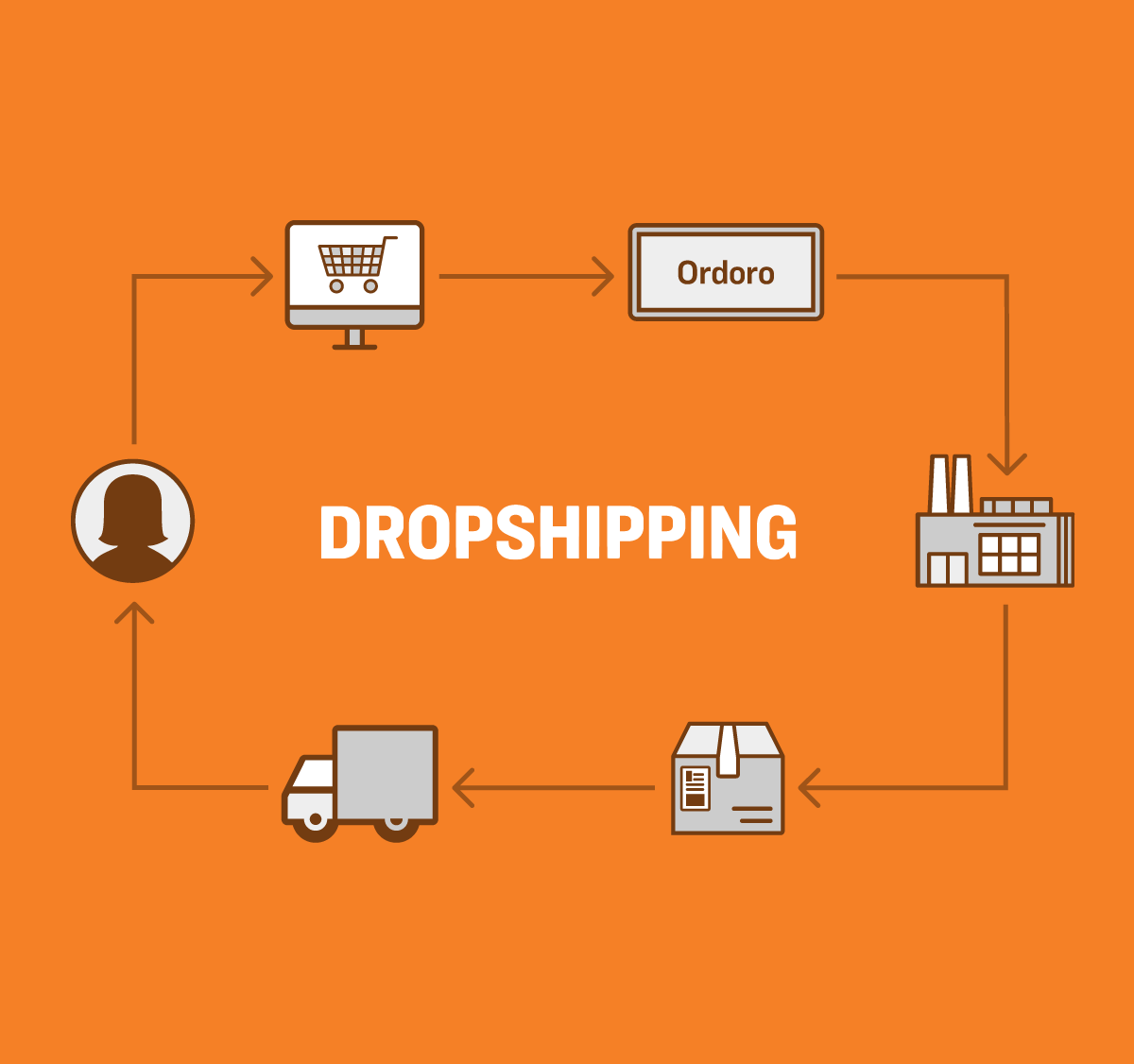
tarting an online business is one of the fastest ways to build financial independence today. But if you are looking at the digital landscape, you might be wondering: Should I build my own website, or should I sell where the buyers already are?
The truth is, you don’t have to choose just one. The most successful modern sellers combine the independent power of Shopify with the massive, built-in traffic of local marketplaces like Jumia and Jiji, while using social media to drive daily orders.
If you want to learn how to start dropshipping and e-commerce, here is the exact blueprint to set up your digital shop and scale it fast.
1. Choosing Your Launchpad: Jumia vs. Jiji vs. Shopify
Before you upload a single product, you need to understand where your business fits. Different platforms serve completely different styles of selling.
Jumia: The Managed Marketplace
Jumia acts like a digital shopping mall. They handle the massive web traffic, payment processing, and often the delivery logistics through Jumia Express.
- Best For: Serious vendors with physical inventory who want to leverage an established brand name.
- The Catch: You have to play by their rules, and they charge a commission on every sale.
Jiji: The Fast-Classifieds Route
Jiji is the ultimate digital noticeboard. It relies heavily on direct peer-to-peer communication, meaning buyers will often call or WhatsApp you directly to negotiate.
- Best For: Fast cash flow, localized selling, and dropshipping items where you can meet the buyer or arrange quick local delivery riders (boda-bodas).
- The Catch: You have to deal with bargain-hunters, so your customer service and follow-up game must be sharp.
Shopify: Building Your Own Empire
Shopify lets you build your own independent website. This is where true global or localized dropshipping thrives because you own the customer data, the branding, and the entire shopping experience.
- Best For: Long-term brand building, automated order fulfillment, and international or niche dropshipping.
- The Catch: You are entirely responsible for driving your own traffic through SEO and paid ads.
2. The Step-by-Step Setup Strategy
Success leaves clues. If you want to avoid the common pitfalls that crash new online stores in their first month, follow this sequence:
1.Niche Selection & Product Sourcing:Step 1.
Don’t try to sell everything. Focus on a specific niche—like biometric tech gadgets, smart home security accessories, or high-demand fashion. Source your items from reliable local wholesalers or verified global dropshipping suppliers.
2.Optimize Your Store Listings:Step 2.
Whether it’s a Shopify product page or a Jiji listing, clear visuals are everything. Use high-resolution images, write descriptive titles, and clearly state your delivery terms. If selling on Jiji, include a direct “Click to WhatsApp” link in your bio.
3.Set Up Seamless Logistics:Step 3.
An e-commerce business lives and dies by fulfillment. Partner with reliable local courier services or delivery riders before you launch. Clearly communicate delivery times (e.g., “Next day delivery within the city”) to build instant trust.
4.Launch Your Traffic Engine:Step 4.
Once your shop is live and your delivery routes are secure, turn on your marketing. Start organic posting first, then layer on small-budget targeted social media campaigns to test product demand.
3. Turning Social Media Into Your Sales Funnel
Once your shop is configured, you cannot just sit back and wait for people to find it. You need to actively funnel buyers into your digital storefront using Facebook Marketplace and Instagram.
Facebook Marketplace: The Local Goldmine
Facebook Marketplace is incredibly powerful for local e-commerce. Because listings are shown to users based on geographical location, you can capture high-intent buyers right in your backyard.
- The Strategy: List your top-tier products here with clean, unedited smartphone photos (which often perform better and look more authentic than generic studio shots). Direct interested buyers straight to your WhatsApp Business account or your Shopify checkout link.
Instagram: The Digital Showroom
Instagram is where you build aspiration and trust. Customers buy with their eyes, making this the perfect home for product demonstrations, behind-the-scenes packing videos, and customer reviews.
- The Strategy: Use Instagram Reels to showcase your products in action. A 7-second reel showing how a gadget works or styling an item can pull in thousands of organic views without spending a single cent on advertising.
The Golden Rule of E-commerce: You don’t need millions in capital to start; you just need a reliable system. Focus on offering great customer service, fast delivery, and clear communication. Treat your first 10 customers like gold, and they will market your new website for you.


JB Muturi Has Defined Kenya’s New Political Order

Why Delaying a Presidential Candidate Could Weaken the Opposition’s International Standing


